



By 2030, the U.S. semiconductor industry will need to add more than 115,000 new workers — and according to the Semiconductor Industry Association, as many as 67,000 of those roles, or 58%, are at risk of going unfilled. That’s not a distant industry statistic. For companies building or expanding chip manufacturing capacity right now, it’s a direct operational risk: delayed production runs, missed customer delivery timelines, and growth plans that stall before they start.
The causes behind the semiconductor talent shortage are structural, not temporary, which is why staffing plans built around “we’ll figure it out when we hire” no longer work. In this article, we’ll break down why the gap is happening, which roles are hardest hit, and the staffing models and partner criteria semiconductor and chip manufacturing companies are using to stay ahead of it — with a specific look at how fab expansion in California and Texas is intensifying local competition for technicians, engineers, and production talent.
Table of Contents
- Inside the Semiconductor Talent Shortage: Scale, Causes, and Why It Persists Through 2030
- Which Semiconductor Roles Are Hardest to Fill (and Where the Gaps Are Widening)
- The Real Business Cost of a Vacant Semiconductor Role
- Temporary, Contract, or Direct-Hire: Choosing the Right Staffing Model for Chip Manufacturing
- What to Look for in a Semiconductor Staffing Partner
- Frequently Asked Questions About Semiconductor Staffing
- Conclusion
Inside the Semiconductor Talent Shortage: Scale, Causes, and Why It Persists Through 2030
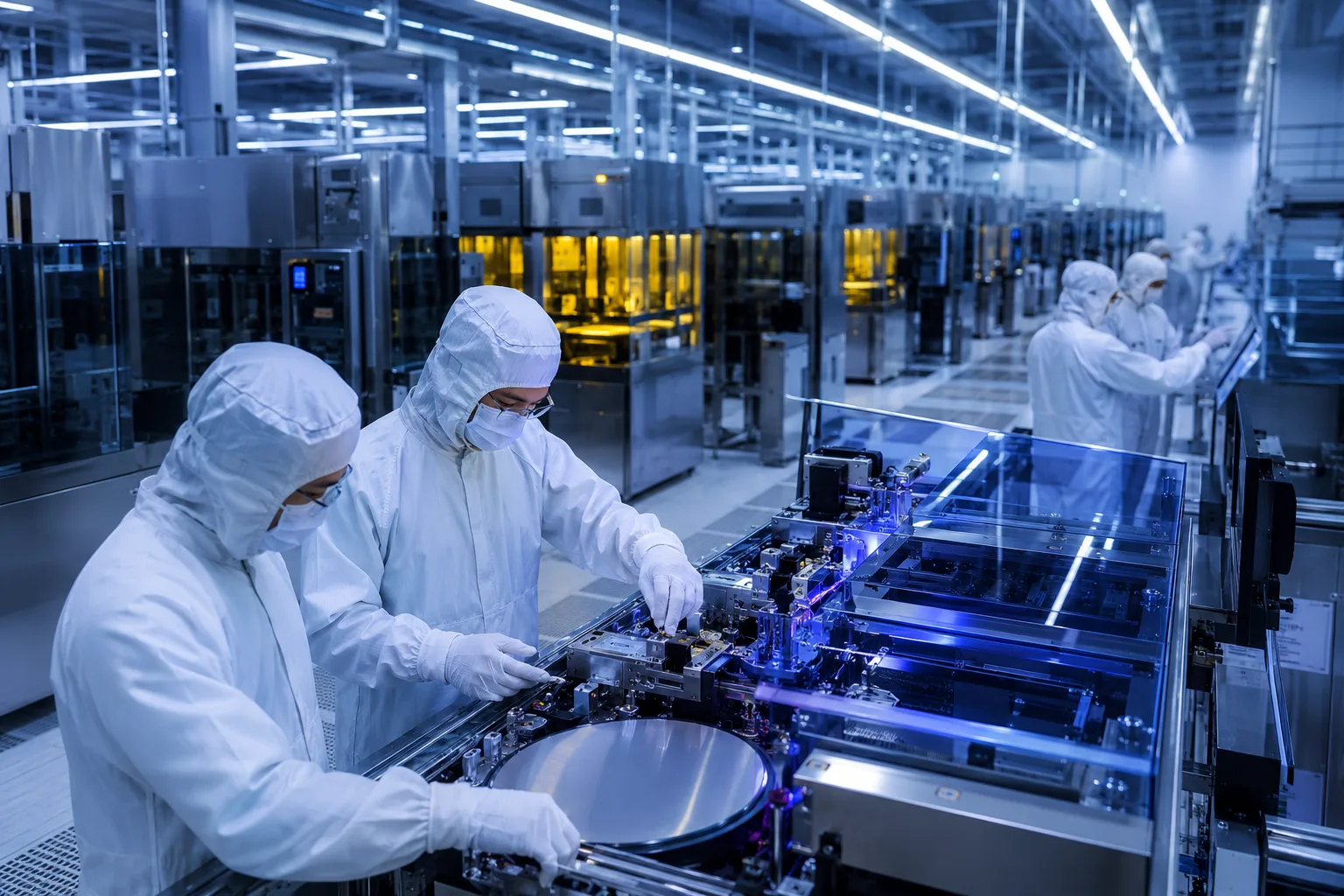
The scale of the semiconductor workforce shortage is easier to understand once you see what’s driving it. The CHIPS and Science Act has accelerated a wave of new and expanding U.S. fabs, pulling semiconductor manufacturing back onshore after decades of production concentrated overseas. Every new fab announcement translates directly into thousands of open roles — from cleanroom technicians to process engineers — that need to be filled on a timeline measured in months, not years.
At the same time, the talent pipeline feeding those roles hasn’t kept pace. The STEM and technical-training pipeline — community college programs, apprenticeships, and university engineering tracks — is scaling more slowly than fab construction. Semiconductor manufacturing requires specialized skills that generalist manufacturing training doesn’t cover, and the schools and programs built to produce that talent are still catching up to demand.
Workforce demographics compound the problem. A significant share of the specialized manufacturing workforce, particularly experienced technicians and process engineers, is approaching retirement age, and new entrants aren’t replacing them fast enough. Combined, these three forces — reshoring-driven demand, a lagging skills pipeline, and retiring specialists — explain why the shortage isn’t a short-term blip.
The numbers back this up. According to the Semiconductor Industry Association and Deloitte, the global semiconductor industry faces a shortfall of more than 1 million skilled workers. In the U.S. alone, employers need to add at least 115,000 new semiconductor jobs by 2030 to meet demand — and as many as 67,000 of those roles, or 58%, are projected to go unfilled without intervention. That means more than half of the roles the industry needs to fill over the next several years may not get filled through traditional hiring channels alone, which is exactly why proactive semiconductor recruiting — not just reactive hiring — has become a competitive advantage.
Which Semiconductor Roles Are Hardest to Fill (and Where the Gaps Are Widening)

Not every semiconductor role faces the same level of hiring pressure. Understanding where the gaps are concentrated helps hiring managers plan staffing strategy instead of reacting role by role.
Production and manufacturing floor roles — equipment operators, fab technicians, and maintenance technicians — are facing the steepest volume gaps. These are the highest-headcount roles in any fab, and they’re also the roles most affected by retiring workers and a thin technical-training pipeline. When a new fab ramps up, these positions need to be filled in bulk and on a tight timeline.
Process engineers, quality engineers, and equipment engineers are in high demand as new and expanding fabs come online. These roles require specialized experience with semiconductor-specific tools, processes, and compliance standards, which makes them harder to source through general engineering recruiting.
Beyond the roles that get the most attention, specialized technical support and quality assurance positions are often overlooked by generalist staffing agencies that don’t have deep semiconductor industry experience. Metrology technicians, yield engineers, and calibration specialists are examples of roles that are critical to fab operations but don’t always show up on a standard staffing agency’s radar.
Regionally, California and Texas are feeling this pressure most acutely. Both states have seen significant fab investment and expansion, which means companies in these markets aren’t just competing against a national talent shortage — they’re competing against every other employer expanding in the same local labor market at the same time. For companies hiring for semiconductor industry jobs in California specifically, that local competition can turn what should be a straightforward hire into a months-long search.
The Real Business Cost of a Vacant Semiconductor Role

It’s easy to treat the talent shortage as an abstract industry-level statistic. But for an individual employer, every open role has a real, measurable cost.
The most immediate cost is delayed production. A vacant technician or engineer position can slow down a production run, push back qualification timelines, or delay a fab’s ramp-up schedule. When production slips, customer delivery timelines slip with it — and in an industry where customers are planning their own product launches around your delivery dates, that ripple effect can damage relationships that took years to build.
Prolonged vacancies also create pressure to fill roles quickly with under-qualified stopgap hires. In semiconductor manufacturing, where quality and compliance standards are strict and unforgiving, a rushed hire in a process or quality role can introduce defects, compliance issues, or safety risks that cost far more to fix than the original vacancy did.
These costs compound during periods of rapid growth or fab ramp-up, when staffing needs are highest and the margin for error is lowest. A single unfilled quality engineer role during a ramp-up isn’t just a staffing gap — it’s a bottleneck that can hold back an entire production line. The longer a critical role stays open, the more expensive it becomes, which is why speed-to-fill matters as much as candidate quality when building a semiconductor workforce.
Temporary, Contract, or Direct-Hire: Choosing the Right Staffing Model for Chip Manufacturing

Not every semiconductor staffing need calls for the same hiring model. Choosing the right one — temporary, contract, or direct-hire — depends on timeline, budget, role permanence, and how specialized the skill set is.
Temporary staffing works best for short-term production surges or seasonal demand, such as a spike in output ahead of a product launch or a short-term increase in testing volume. It gives manufacturers the flexibility to scale headcount up or down without the long-term commitment of a permanent hire.
Contract staffing fits defined projects, fab ramp-ups, or specialized technical needs with a set duration. This model is particularly useful during a new fab’s qualification and ramp-up phase, when a company needs experienced process or equipment engineers for a defined period but doesn’t yet know whether the long-term headcount need will be permanent.
Direct-hire is the right fit for roles that require deep institutional knowledge and long-term process ownership — positions like plant managers, senior process engineers, or quality leads where continuity and long-term investment in the role matter more than flexibility.
As a quick-reference framework, employers should weigh four factors when choosing a staffing model: project timeline (short-term versus ongoing), budget (variable labor cost versus fixed salary investment), role permanence (temporary need versus long-term position), and skill specialization (readily available skill set versus hard-to-source expertise). Getting this decision right up front prevents the common mistake of defaulting to direct-hire for every role, which slows down hiring and adds cost when a temporary or contract solution would meet the need faster.
What to Look for in a Semiconductor Staffing Partner

With so much at stake, choosing the right semiconductor staffing agency is a decision that deserves real scrutiny — not just a comparison of fees.
Industry specialization matters more than general staffing capacity. A staffing partner that understands semiconductor, manufacturing, and technology hiring specifically — not just staffing in general — will source candidates who already understand cleanroom protocols, fab environments, and process discipline, cutting down on ramp-up time after placement.
Speed-to-fill track record and local market knowledge are just as important, especially in California and Texas, where fab expansion has tightened the local labor market. A staffing partner with an established local candidate network can move faster than one starting a search from scratch, and local compliance readiness ensures every placement meets state-specific labor requirements without added risk.
Reliability should be provable, not just promised. EPIQORE, for example, maintains 99.9% payroll accuracy and 100% invoice accuracy across its client base, backs its direct-hire placements with a 90-day guarantee (prorated at 1/90th per day) to reduce the risk of a bad fit, and has built long-term partnerships — 15+ years with CPI/MPP, 7+ years with Ma Labs, and 240+ hires at Intevac — among more than 50 clients across California and Texas.
Finally, look for a partner focused on long-term relationships over one-off placements. Semiconductor talent acquisition isn’t a one-time transaction — it’s an ongoing need that shifts as fabs ramp up, projects change, and headcount needs evolve. A partner who understands your business, timelines, and team dynamics can staff around the shortage proactively instead of scrambling every time a new role opens.
Frequently Asked Questions About Semiconductor Staffing

Why is there a semiconductor talent shortage, and how long is it expected to last? The shortage stems from rapid fab expansion driven by the CHIPS Act, a technical-training pipeline that hasn’t scaled fast enough, and retiring specialists outpacing new entrants. Industry projections suggest it will persist through 2030 and likely beyond as more fabs come online.
How many semiconductor jobs are projected to go unfilled by 2030? The U.S. semiconductor industry needs to add at least 115,000 new workers by 2030. Up to 67,000 of those roles, or 58%, are projected to go unfilled without intervention, according to SIA and Deloitte research.
Which semiconductor roles are hardest for companies to fill right now? Production and manufacturing floor roles like operators and technicians face the steepest volume gaps, while process, quality, and equipment engineers are in high demand as new fabs ramp up. Specialized roles like metrology technicians and yield engineers are often overlooked by generalist agencies.
Should we use temporary, contract, or direct-hire staffing for semiconductor and chip manufacturing roles? It depends on your timeline, budget, and role permanence. Temporary staffing suits short-term surges, contract staffing fits defined projects or fab ramp-ups, and direct-hire is best for long-term roles requiring deep institutional knowledge.
How is fab expansion affecting semiconductor hiring in California and Texas? Both states have seen significant fab investment, which has intensified local competition for technicians, engineers, and production talent. Companies hiring in these markets need a staffing partner with established local candidate networks and compliance knowledge.
What should we look for when choosing a semiconductor staffing agency? Look for industry specialization, a proven speed-to-fill track record, local market and compliance knowledge, verifiable reliability metrics, and a long-term partnership approach rather than one-off placements.
Conclusion
Talk to a recruiting expert before your next fab ramp-up or production surge catches your team short-staffed. The semiconductor talent shortage is a structural, multi-year challenge tied to fab expansion, a shrinking skills pipeline, and a wave of retirements — and it isn’t going away before 2030. But no single employer has to solve it alone. A specialized semiconductor staffing agency that offers flexible models — temporary, contract, and direct-hire — combined with proven reliability, lets growing semiconductor and manufacturing companies keep production on schedule without sacrificing speed or candidate quality. EPIQORE builds semiconductor and manufacturing teams across California and Texas, backed by a 90-day guarantee on direct-hire placements and a track record of 99.9% payroll accuracy and 100% invoice accuracy across 50+ clients. Talk to a recruiting expert to build a staffing plan around your fab’s timeline, or if you’re a candidate looking for your next role, find a job in semiconductor manufacturing today.
Ready to take the next step?